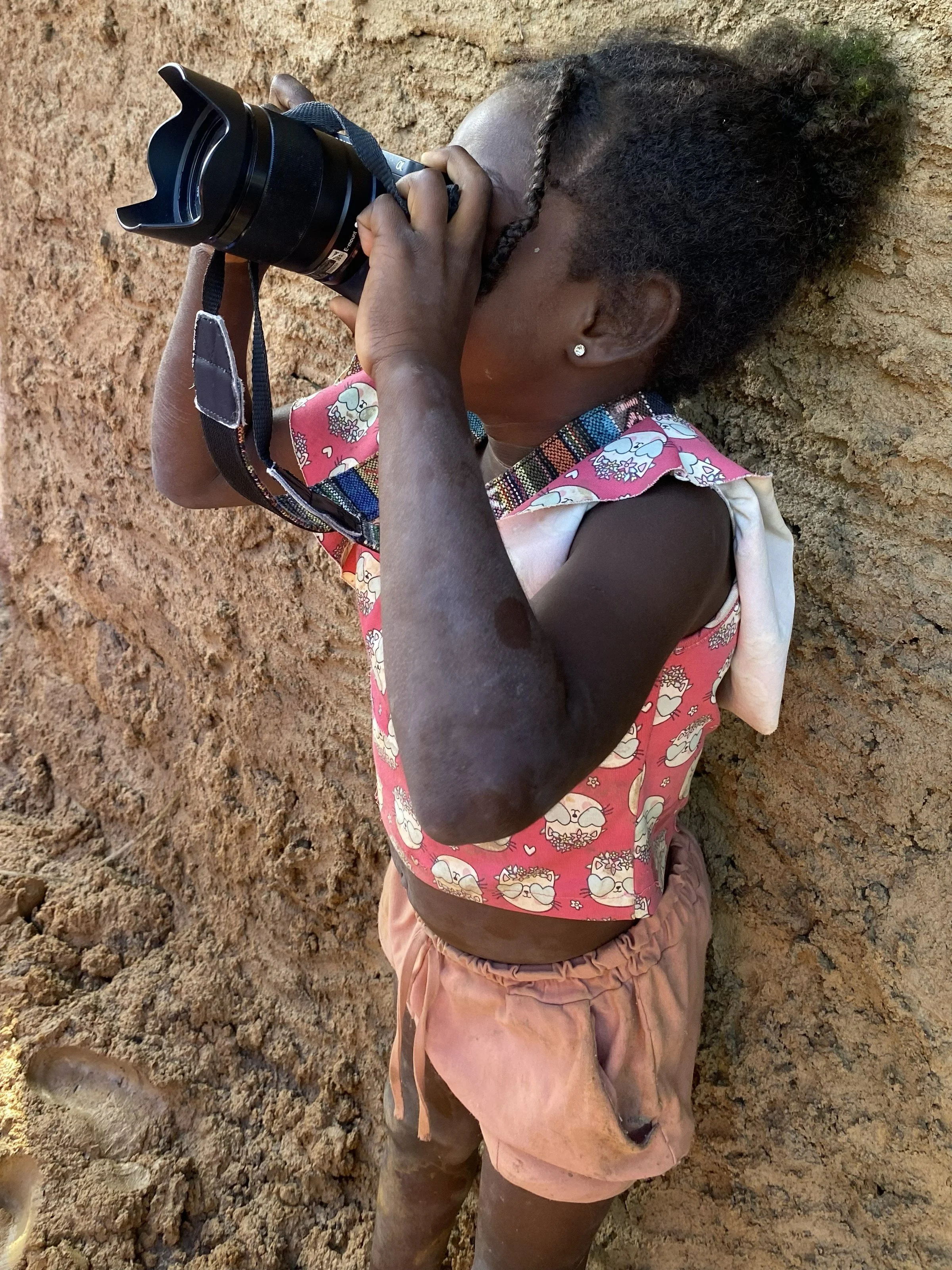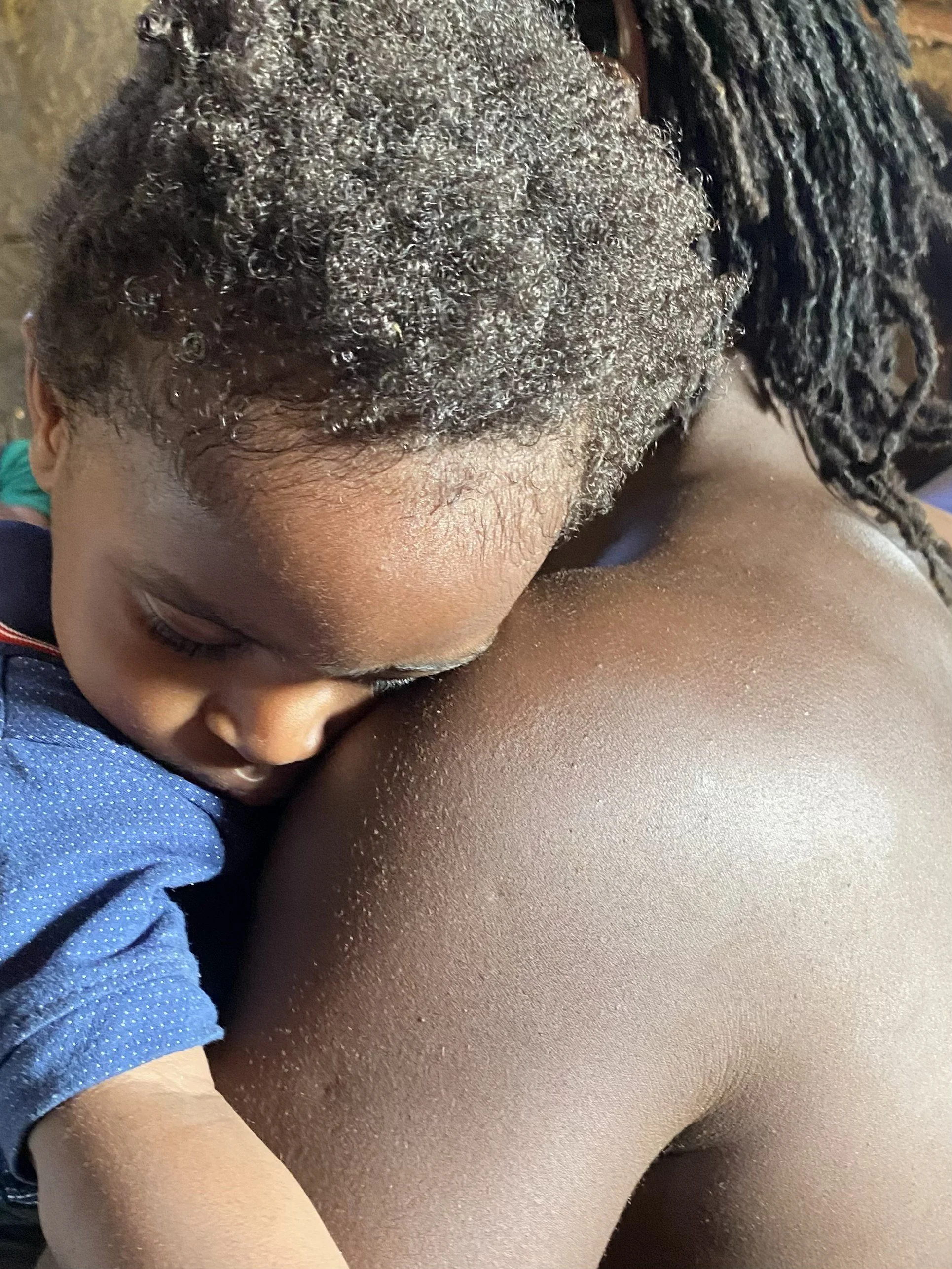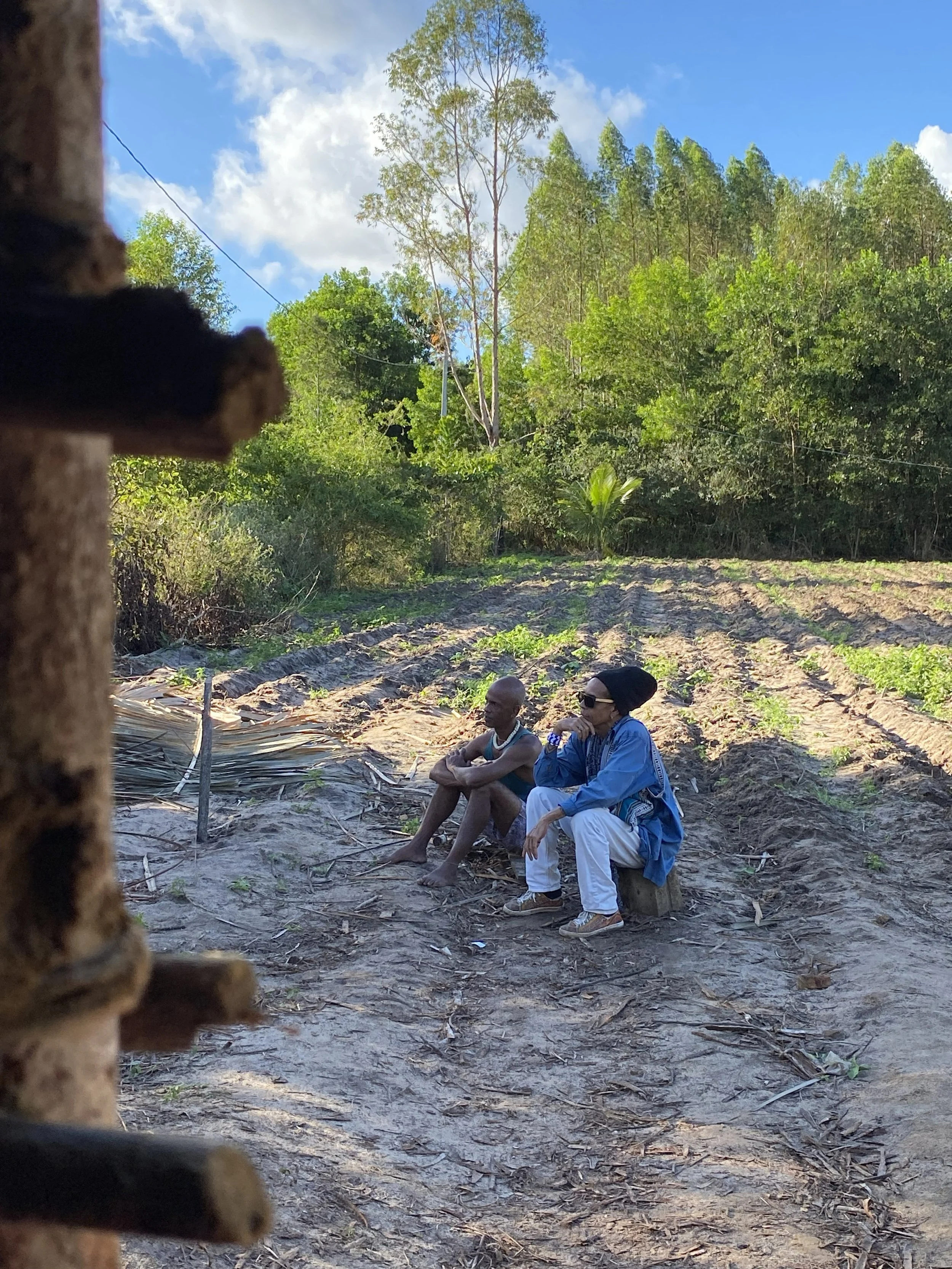
Casa de Taipa Project in the Volta Miúda Quilombo, Bahia, Brazil
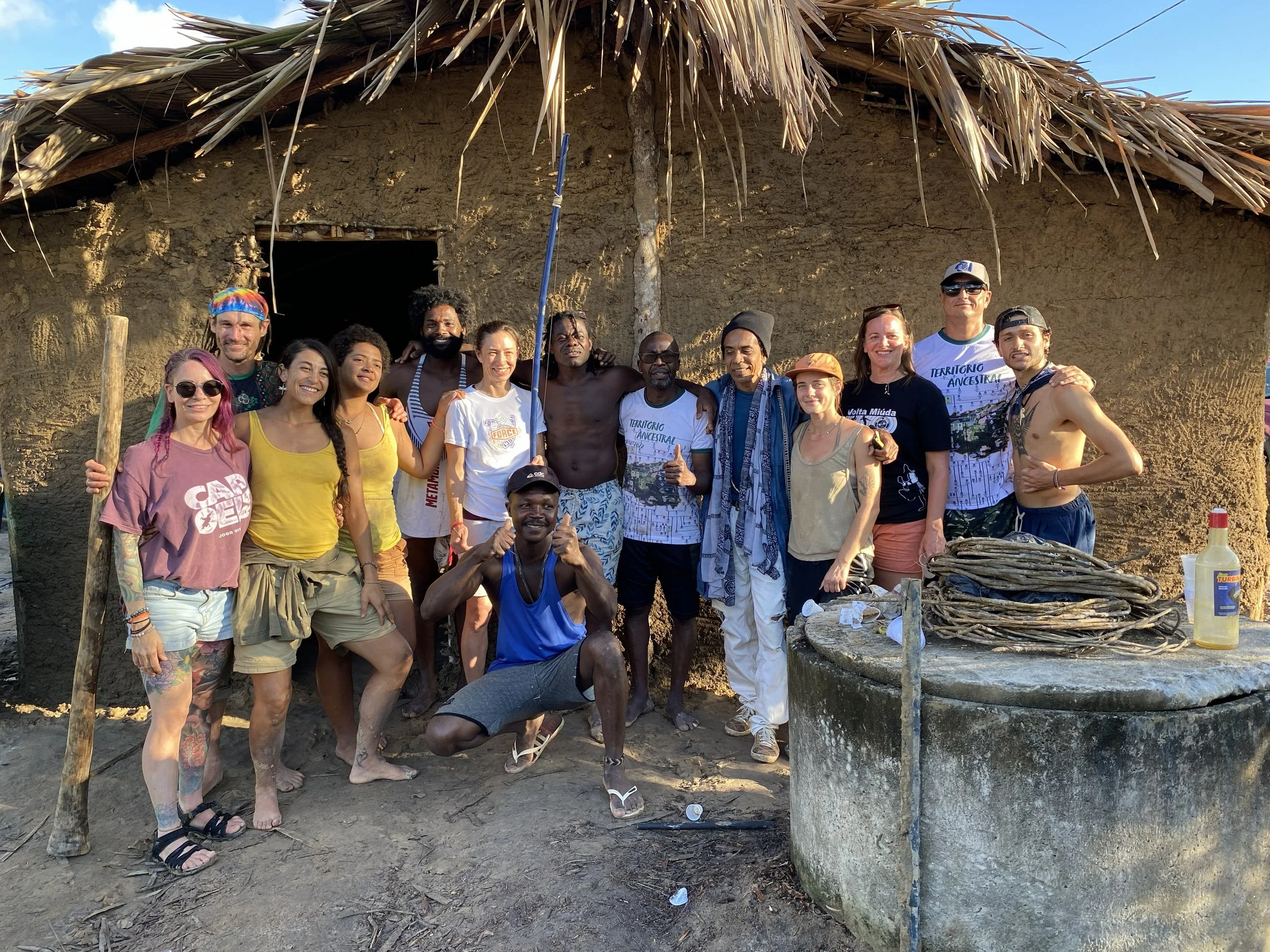
In August 2024, Mestre Jamaika and a group of American capoeira students traveled to Bahia, Brazil to participate in a powerful Afro-Brazilian cultural preservation project in the quilombo of Volta Miúda — the ancestral community of Mestre Jamaika’s family and the namesake of Volta Miúda Capoeira.
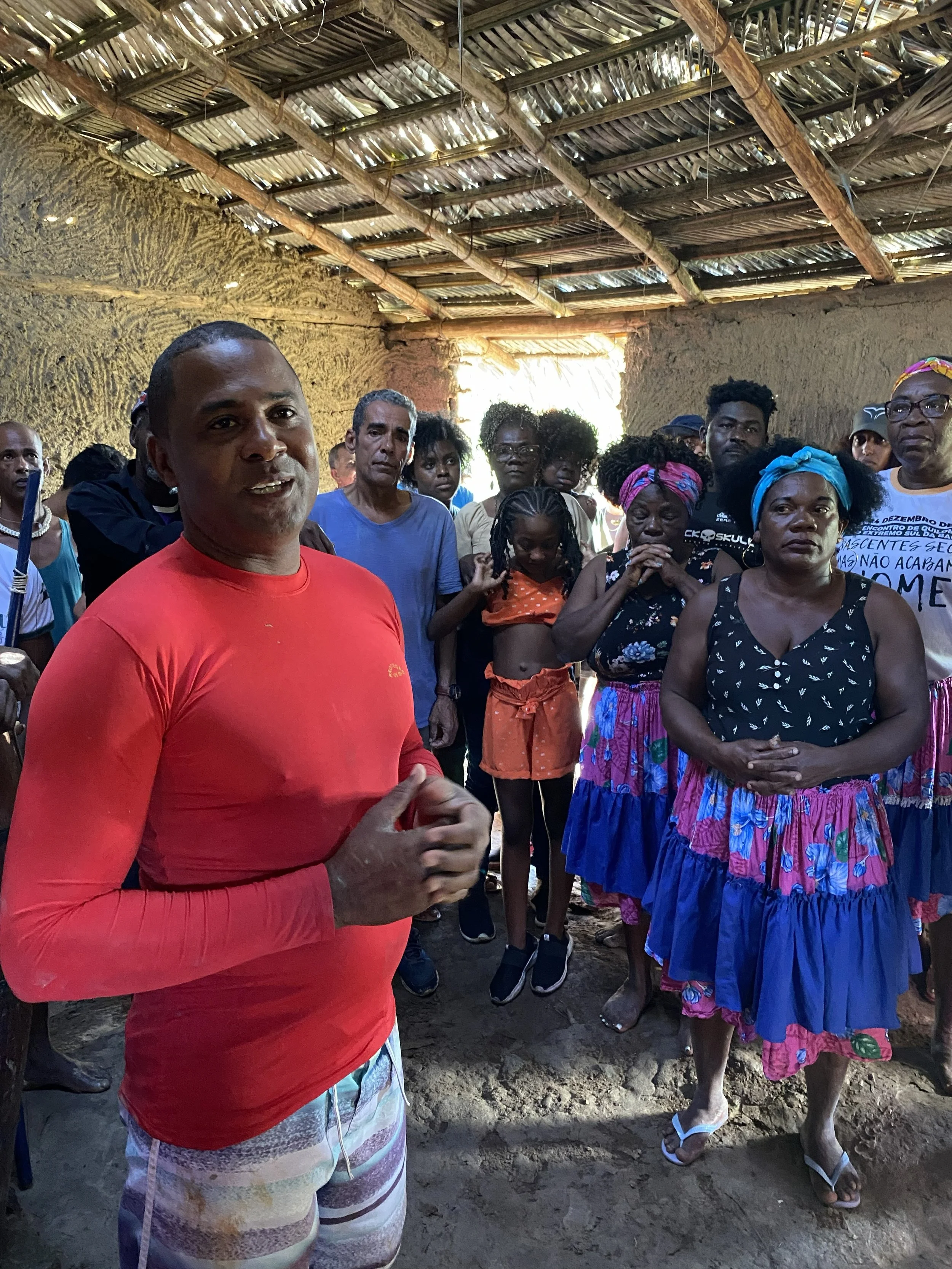
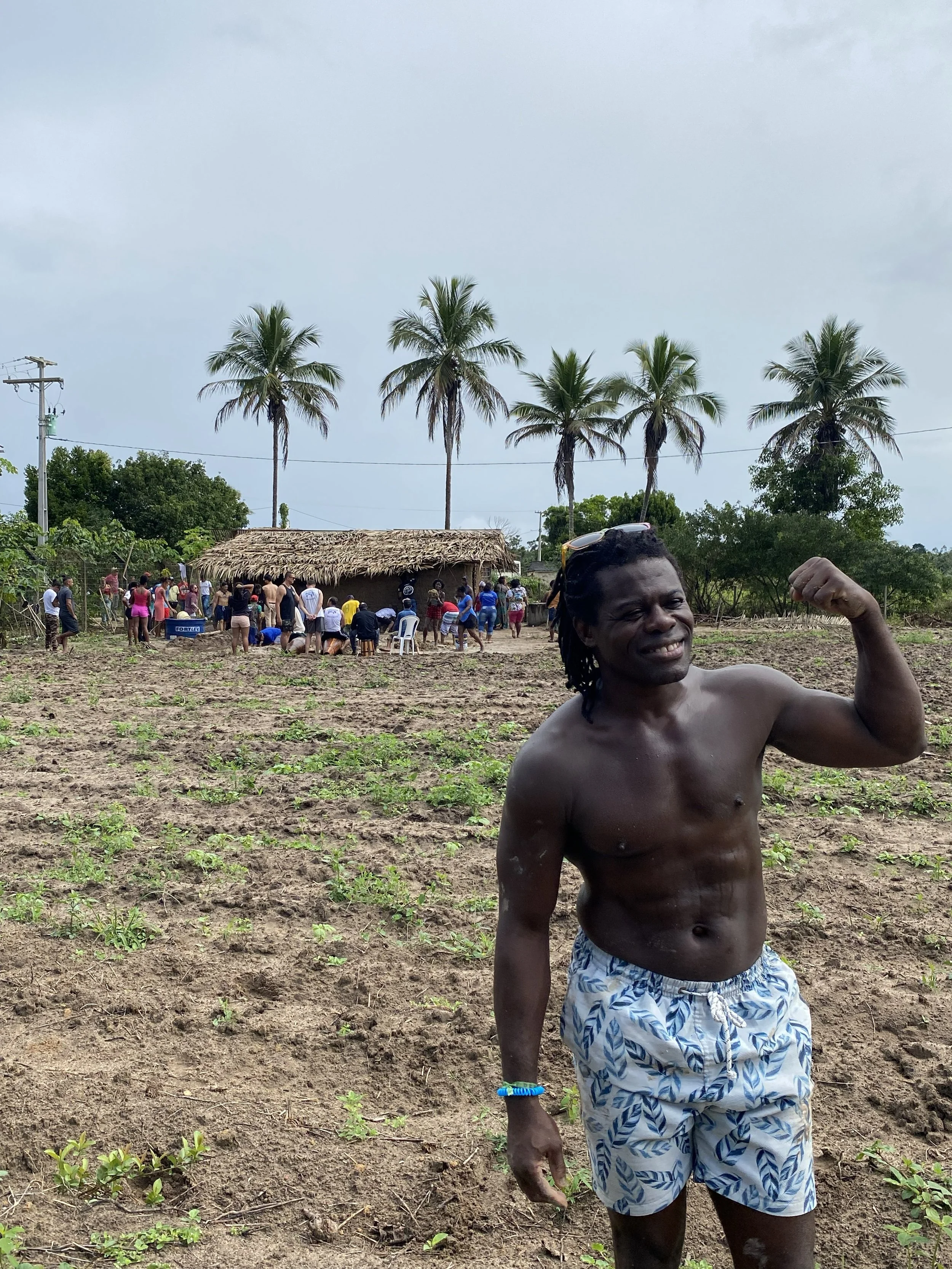
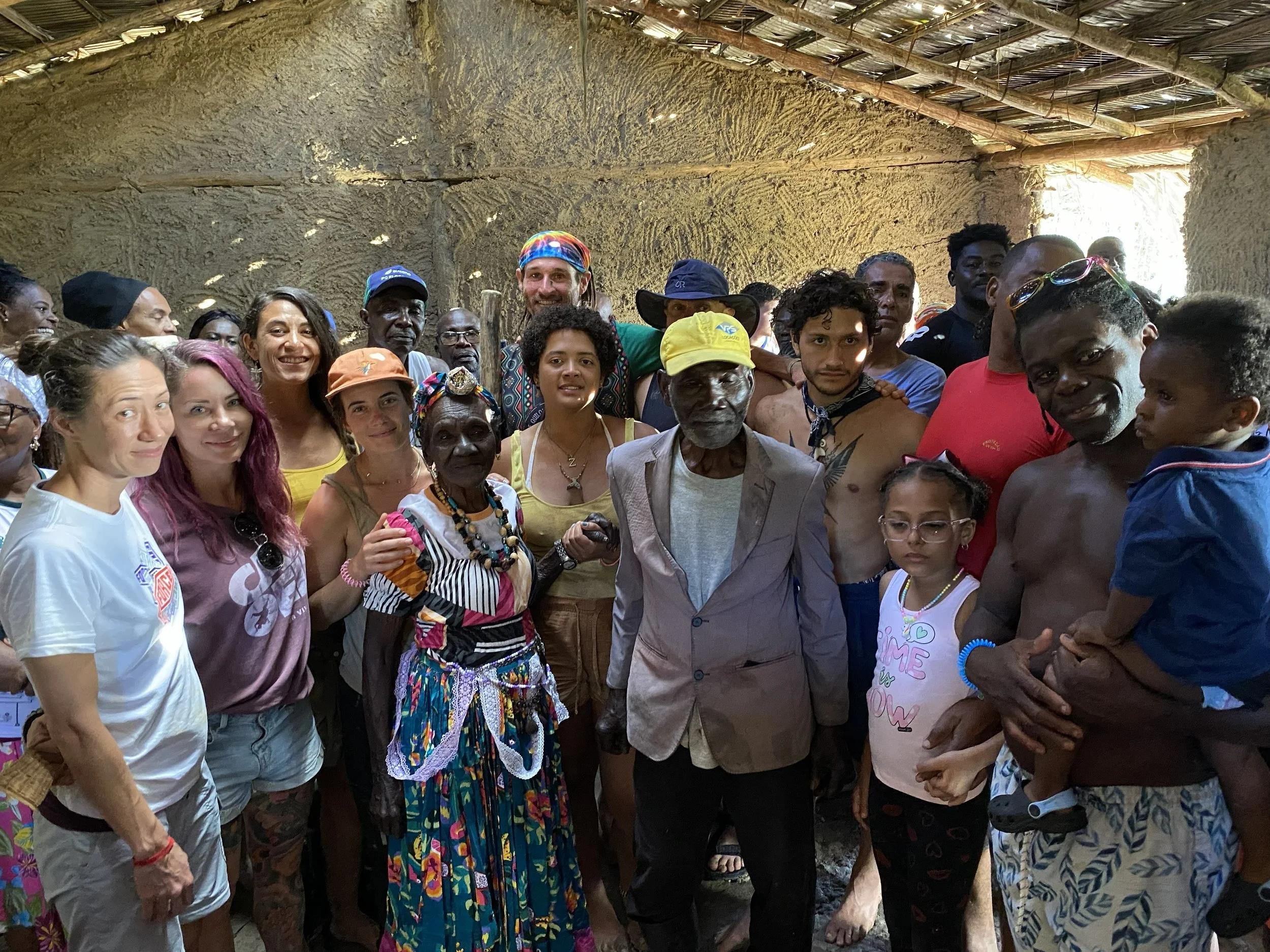
Together with community members led by quilombo leader Célio Pinheiro Leocádio, the group helped build a traditional Casa de Taipa, a mud-and-clay home rooted in Indigenous land wisdom and African ancestral knowledge passed down through generations in Brazil.
This Casa de Taipa will serve as a community heritage museum and living memorial within the Volta Miúda community center, helping preserve the stories, traditions, and identity of the quilombola people for future generations.
What Is a Quilombo?
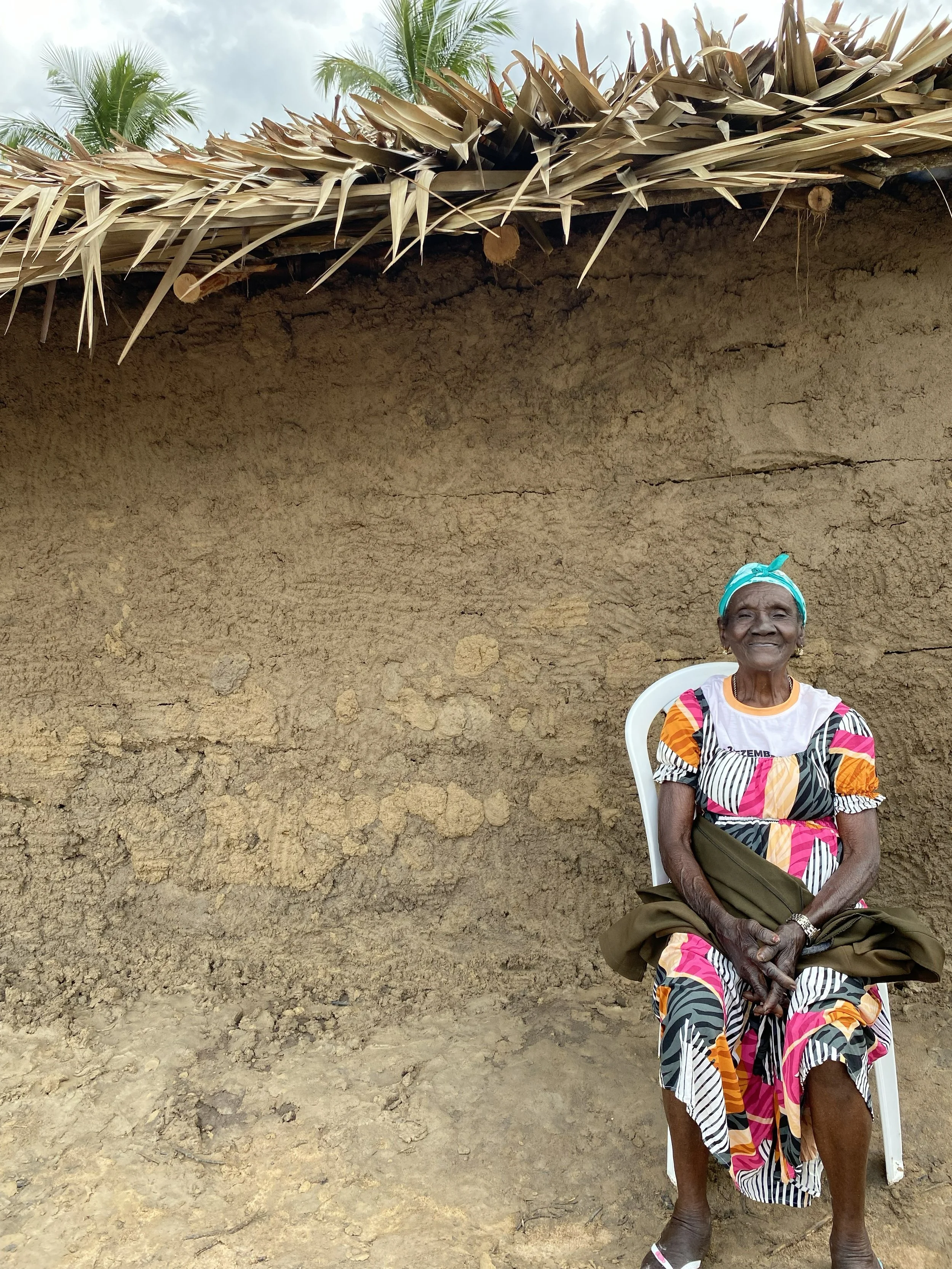
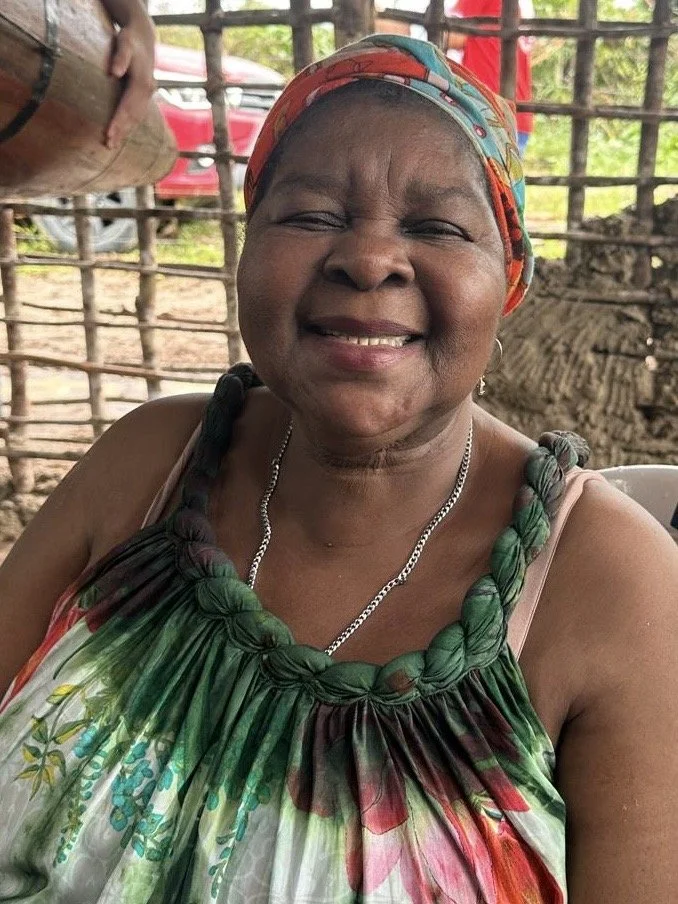
Donna Brasilia, the matriarch of the Volta Miúda quilombo.
Quilombos are Afro-Brazilian communities originally formed by Africans who escaped slavery and created spaces of resistance, autonomy, and cultural preservation. These communities played a vital role in preserving Afro-Brazilian traditions, spirituality, music, foodways, and cultural practices — including capoeira.
Volta Miúda, located in the Caravelas district of southern Bahia near Nova Viçosa, continues to fight to preserve its land, culture, and traditions despite generations of systemic inequality and displacement. Mestre Jamaika remains deeply connected to the community, regularly returning to support cultural initiatives and bridge connections between Brazil and his capoeira community in the United States.
Building the Casa de Taipa
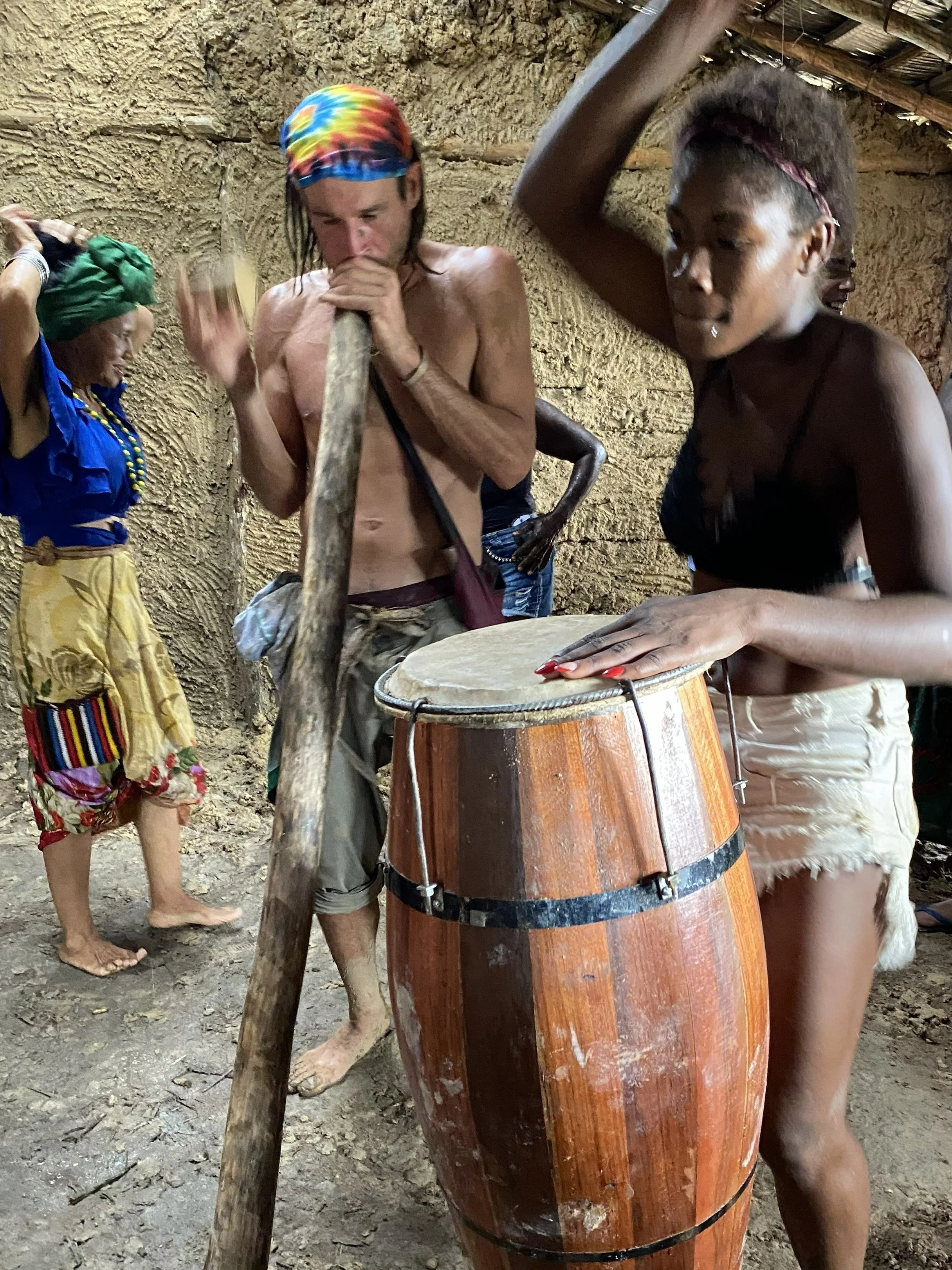
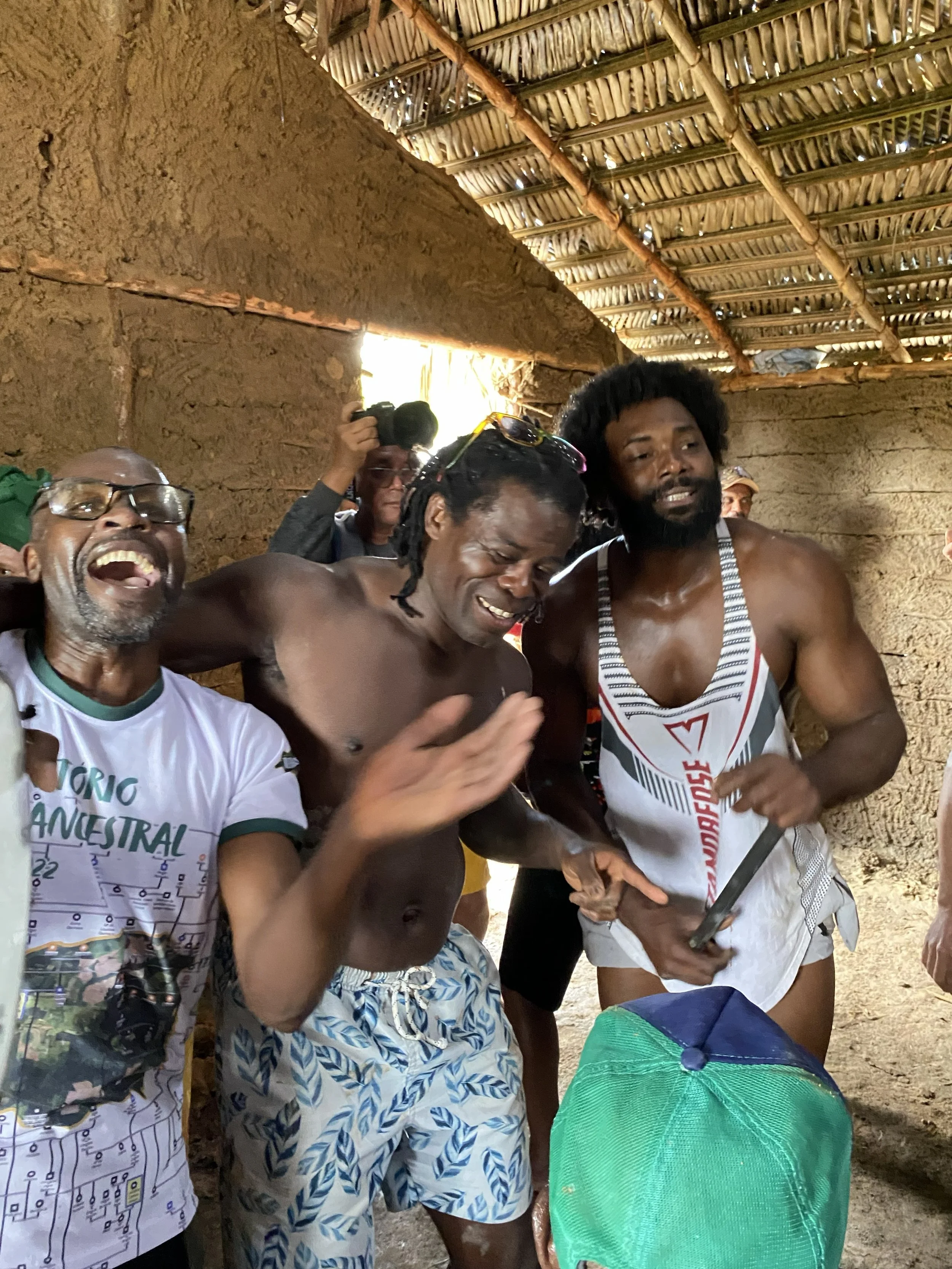
The building of a Casa de Taipa includes ceremony, celebration, and collective memory. Traditionally, the process begins with the community gathering together to drum, sing, dance, and stomp rhythmically in the soil to prepare the clay mixture by foot.
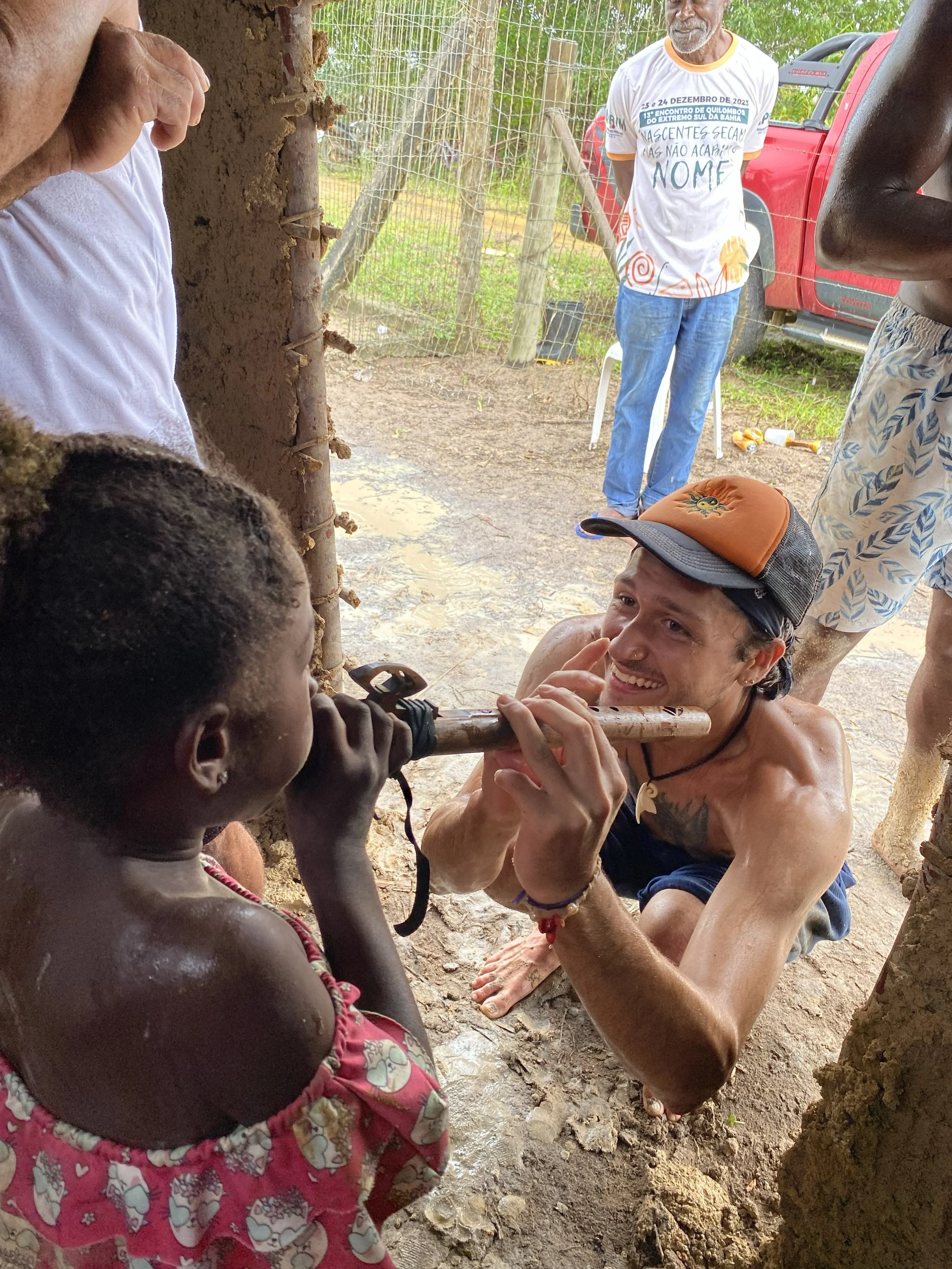
Young and old community members joined side by side, singing and moving together as they prepared the mud walls with their hands and feet, placing their energy and axé into the process. The experience reflected longstanding Afro-Brazilian and Indigenous traditions of collective building and communal care.
For the American capoeira students who participated, the project offered a rare opportunity to connect capoeira to its deeper cultural roots within Afro-Brazilian quilombo communities. Beyond movement and music, they experienced firsthand the values of ancestry, resilience, cooperation, and cultural continuity that are central to capoeira.
Cultural Exchange Through Capoeira
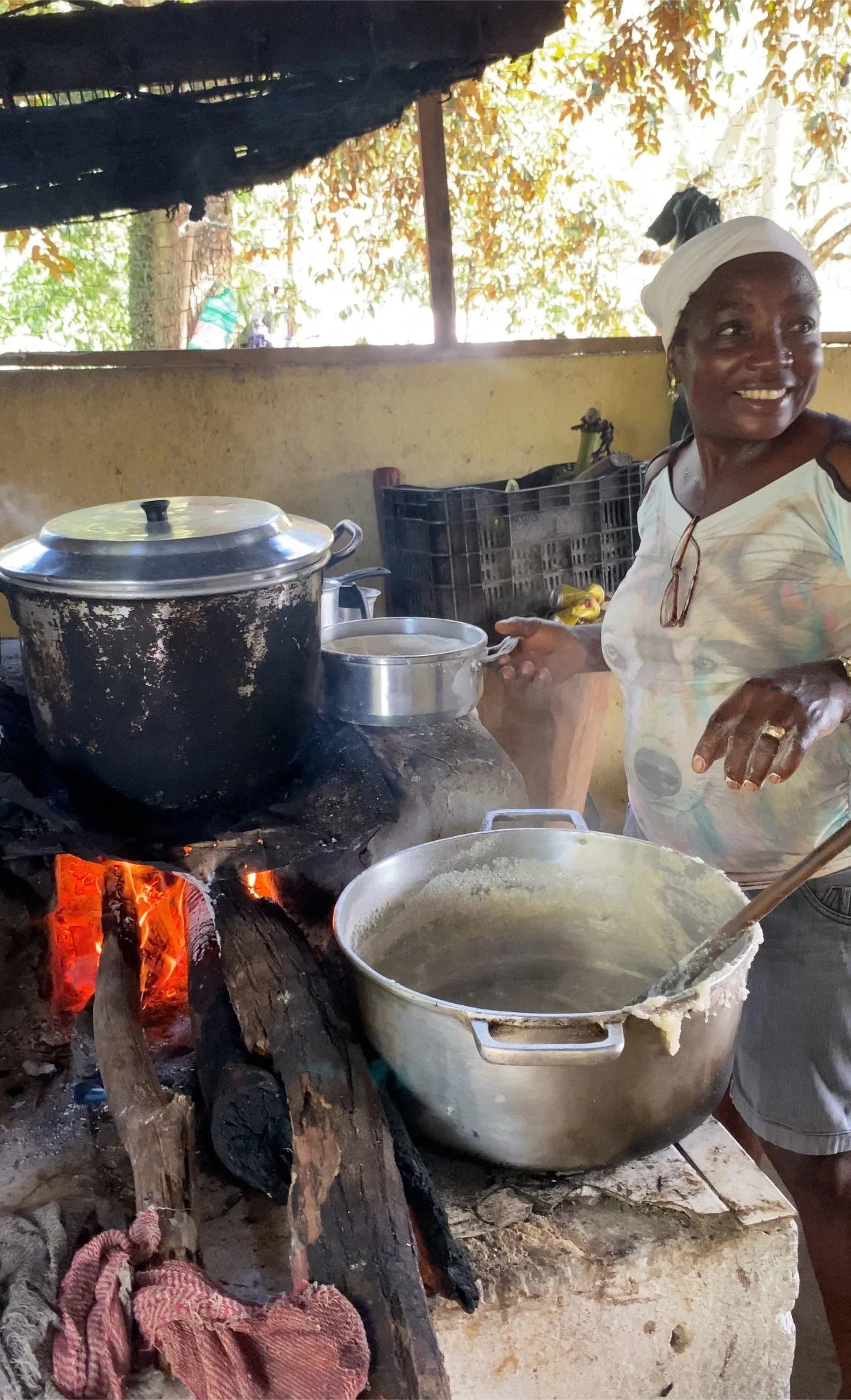
The Casa de Taipa project was part of a two-week cultural immersion experience curated by Mestre Jamaika in southern Bahia. In addition to helping build the house, participants took part in capoeira workshops, Afro-Brazilian music and dance classes, Bahia cooking traditions, berimbau wood foraging, and cultural exchanges with local community members.
These experiences reflect Mestre Jamaika’s ongoing commitment to preserving and sharing Afro-Brazilian culture with authenticity while creating meaningful connections between his ancestral homeland and his students in the United States.
Salve, Volta Miúda!
We are deeply grateful to the Volta Miúda community for welcoming us, sharing stories and traditions, and allowing us to participate in such a meaningful project. Special thanks to Célio for his continued leadership, persistence, and dedication to preserving the culture and future of the community.
Volta Miúda não pode parar!